Romeo y Julieta No. 2: Havana's Most Delicate Corona on the Table
Romeo y Julieta No. 2 is a cigar that quietly teaches you what the classic Cuban corona vitola truly means. It makes no grand promises, no dramatic gestures — it simply lights up and tells its story.
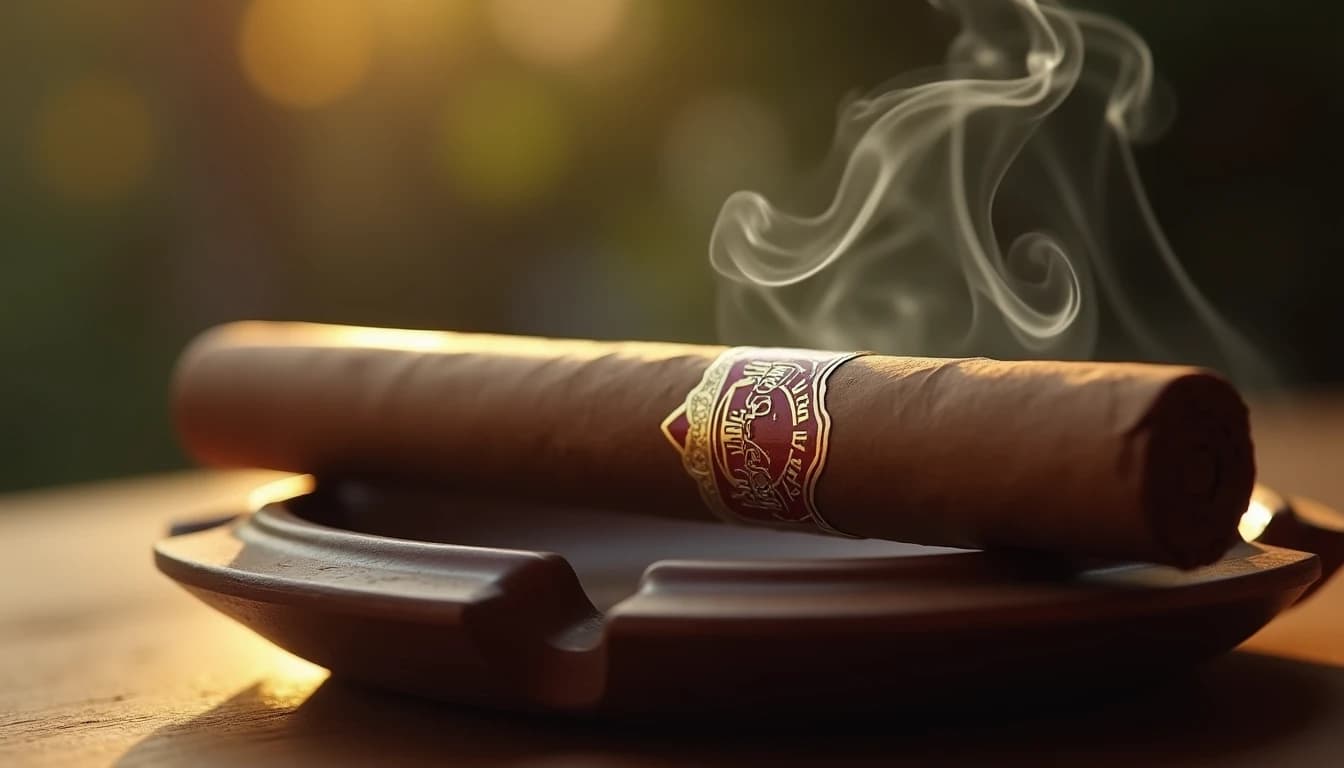
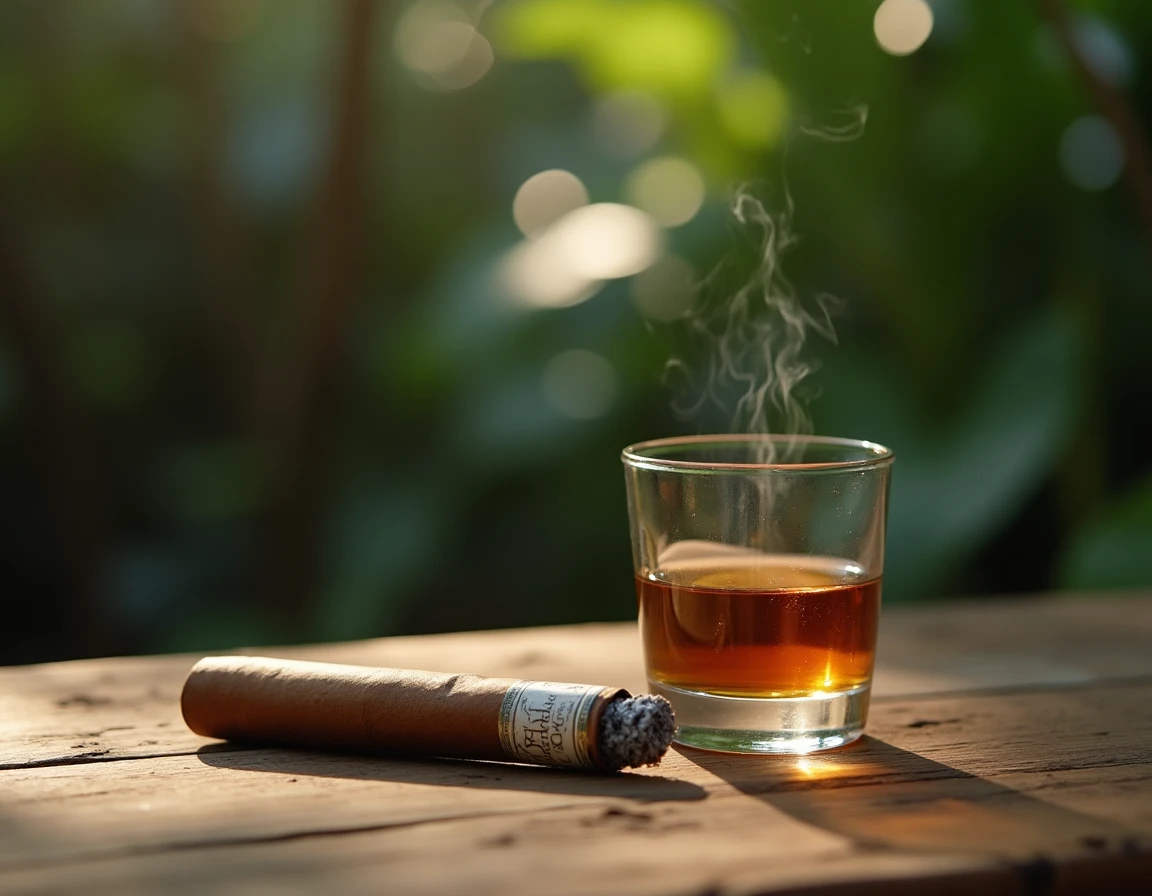
It was the end of May. Three weeks had passed since my return from Havana, and the last few cigars from the boxes I'd brought back in my luggage were waiting their turn. I stepped out into the garden, dropped a single ice cube into my whisky — that day I chose a light Glencairn of Rhum Agricole rather than a Speyside, not wanting it to quarrel with the cigar — and sat down to light the Romeo y Julieta No. 2. It was four in the afternoon. The sun was still high but had lost its bite.
Vitola and Construction
The Romeo y Julieta No. 2 is in the corona format: 142 mm in length, 42 ring gauge. This is one of Cuba's most ancient and demanding vitolas — it does not test the limits of how wide a wrapper or how full a blend can be hidden; on the contrary, it puts the blender to the test on matters of balance and refinement. A wide robusto or toro can conceal a mistake; a corona cannot.
The wrapper leaf is colorado-claro in tone, a light brown with an almost olivine green undertone. The veins are visible but there is no coarseness. The leaf surface is smooth, the press homogeneous. I squeeze it gently: a slight firmness, not overfilled but not hollow either. The cap is cleanly cut, giving no cause for concern about the leaf unraveling.
In Cuban production, box quality can be inconsistent — this is part of the reality of the Romeo y Julieta No. 2. An example stored under good conditions unlocks the cigar's full potential; a neglected box casts a shadow over the blender's labor. Asking about the provenance of the cigar in your hand is always the right starting point.
Nose: Before the Light
The cold draw test brings an immediate impression: the natural scent of the tobacco leaf itself, a touch of earth, a hint of dried fruit. There is a distinct reticence — the cigar is not giving itself away. As I slowly bring the wrapper to my nose, I detect olive oil soap, hazelnut shell, and from a very great distance, a note of wood shavings. On the palate, sweetness comes forward: dates, and the faintest trace of lemon zest. The draw is open but not loose.
First Third: Patience Rewarded
The first ten minutes are understated. The burn line is not yet even — something I have come to expect with the corona format; the ring gauge is narrow, and the leaf layers need a few minutes to settle. I study the ash: light grey, consistent, in no hurry to fall. This is a sign of a good burn and quality tobacco.
What I note through the first third: roasted hazelnuts, a touch of flour, a subtle thread of spice — not black pepper, closer to dried ginger. The smoke is not dense; it is creamy. On the retrohale, there is a faint sea salt at the back of the nose. Nothing surprising, but a satisfying foundation is being built.
Rushing this cigar would be a mistake. The first third ought to be listened to almost like an opening movement.
Middle Section: The Character Opens
By the halfway point, the cigar had changed. Not a sudden shift — more like a slow door swinging open. The hazelnut notes receded, and coffee came forward. Not espresso: the scent of the grounds left at the bottom of a Turkish coffee cup, a touch of bitterness, a touch of sweetness. Dark caramel arrived alongside. On the retrohale, the impression lingering inside the nostrils endures — that length is the mark of quality leaf.
The spices are more legible here: dry black pepper, and the most delicate whisper of anise — I would describe it not as sharp, but as a murmur in the background. The draw remains consistent. The burn line is still even; the ash has passed five centimetres and has yet to fall. This pleased me.
"The middle of a corona reveals the blender's true intention. Romeo y Julieta No. 2 is honest here: it neither promises more than it can deliver nor delivers less than it promises."
The accompanying sip of Rhum Agricole at this point did not overwhelm the cigar — quite the opposite, it softened the caramel notes slightly and brought out the vegetal side of the tobacco. A heavier whisky — say, a heavily peated Scotch — would have pressed down on this cigar. The choice matters.
Final Third: Time to Render a Verdict
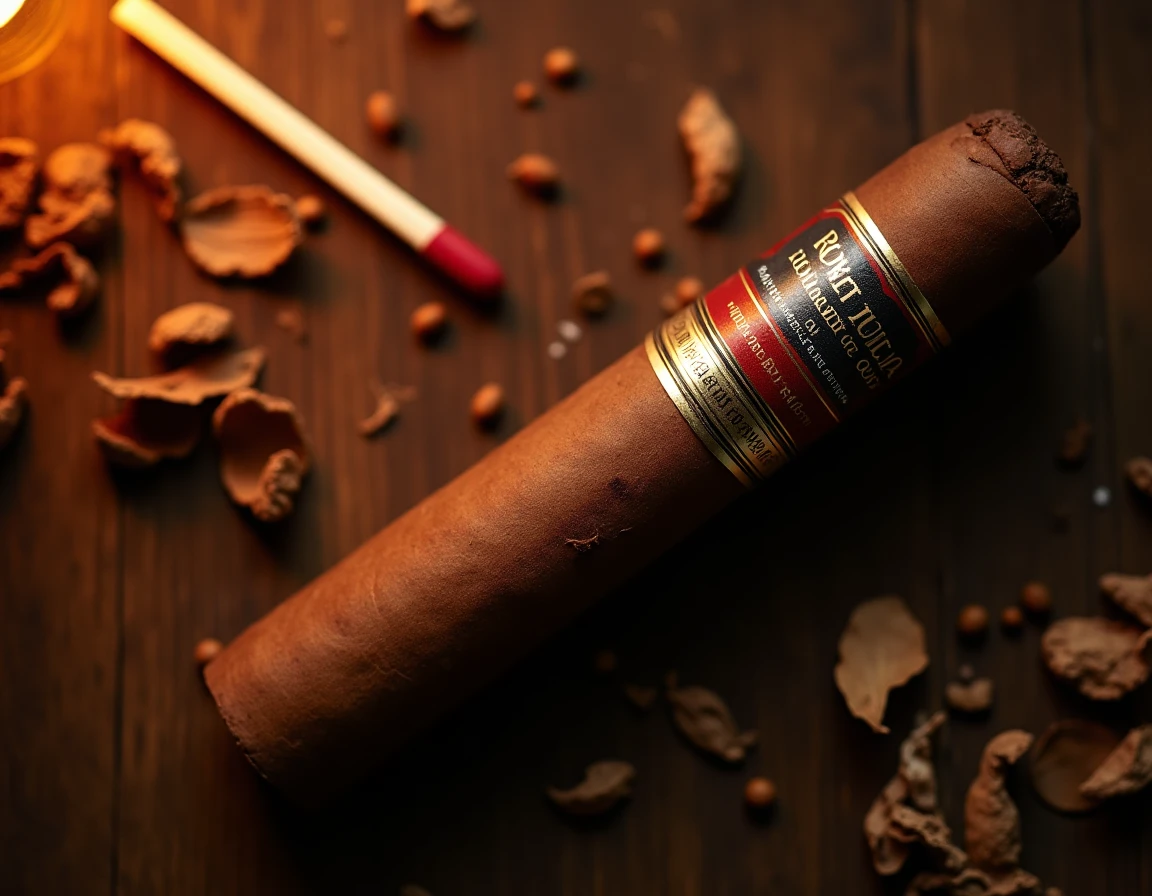
By the time I reached the final section, the light was fading. The cigar was beginning to run warmer — inevitable, but manageable. The spices intensified, roasted grain notes returned. The bitterness of the coffee grounds grows more pronounced, and the tobacco's natural nicotine makes itself felt. This strengthening is not a flaw in the cigar; it is the logical conclusion of a long afternoon. A finish that completes the character and invites you to the edges of your own capacity as a smoker.
I smoked it down to the last centimetre. I encountered no inconsistent burn, no draw issues, no extinguishing. This physical consistency is also part of the assessment.
Overall Assessment
Romeo y Julieta No. 2 does not show off. It was not made to surprise you; it was made to satisfy you. If you want to understand why the Cuban corona vitola has survived for so long, the answer is concealed in this cigar's middle section. Hazelnut, coffee, caramel, gentle spice — never loud, but never absent either.
One caveat: this cigar needs age. Smoked young, it can feel somewhat harsh and one-dimensional. It has the construction of a cigar that needs at minimum three to five years of humidor rest. The example I had was six years old, and you could tell while smoking it.
The garden grew dark. I finished my Rhum. I set the last ash of the cigar down on the tray and went inside. Some afternoons last exactly as long as they should — no more, no less.
Frequently Asked Questions
- What vitola does the Romeo y Julieta No. 2 correspond to?
- The Romeo y Julieta No. 2 is in the classic Cuban corona format: 142 mm in length and 42 ring gauge. This is one of Cuba's most established vitola sizes and represents a serious test of balance for the blender.
- How long should the Romeo y Julieta No. 2 be aged?
- A minimum of three to five years of humidor rest is recommended. Smoked young, the cigar can feel one-dimensional and somewhat harsh; as it ages, the coffee, caramel, and spice layers in the middle section begin to open up.
- What drink pairs well with this cigar?
- Given its light and delicate construction, heavily peated whisky selections can overwhelm the cigar. Rhum Agricole, a gentle Speyside malt, or a straightforward Cognac will strike a better balance.
- Is the Romeo y Julieta No. 2 suitable for beginners?
- Its nicotine level could be considered moderate, but it is not a fully light cigar either. It is ideal for smokers with some cigar experience. Those smoking a cigar for the first time might be better served by a shorter, lighter corona.
- How long does it take to smoke?
- At a relaxed pace, given the corona format, it runs approximately 60 to 80 minutes. It should not be rushed; in particular, the first third ought to be kept slow.
Sources
- Romeo y Julieta Official Product Catalogue — Habanos S.A.The Romeo y Julieta No. 2 is in the classic Cuban corona format: 142 mm in length, 42 ring gauge.
- Cigar Aficionado — The Classic Sizes GuideThe corona vitola is regarded as one of Cuba's most established and demanding cigar formats.